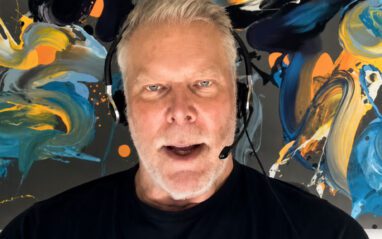
Kevin Nash has a much simpler way of dealing with wrestling fans in public—take the picture, sign the autograph and keep it moving.
During the latest episode of Kliq This, Nash was asked whether his family ever became annoyed when fans approached him at restaurants or during personal outings. Nash said he never viewed a quick fan interaction as a major problem because refusing can create a much bigger scene.
“No, because my whole thing has always been, man, it takes 20 seconds to take a quick picture or to sign something.”
Sean Oliver pointed out that granting the request takes far less time than standing there and explaining why the fan should not have interrupted dinner.
“Rather than explain for an hour and 45 minutes why it was rude for them to come up to you during dinner.”
Nash agreed, but made it clear there is one type of fan who can quickly turn a normal encounter into a nightmare.
“The only issue is the hammered fan. The hammered fan—that’s a rough one.”
Oliver suggested drunk fans may keep talking or start touching a wrestler’s arm. Nash said the physical contact is usually even more aggressive than that.
“No, no. The first thing they want to do is smack your back like you’ve got food lodged.”
Nash’s comments come at an interesting time, as CM Punk continues to draw attention over how he handles fans around WWE hotels. Earlier this month, Punk posted and later deleted an Instagram Story after a fan encounter at a hotel following WWE’s live event in Las Cruces, New Mexico. Punk thanked the crowd but made his boundary very clear.
“Ahi for breakfast. Breakfast of champions. Please do not FOLLOW ME TO MY HOTEL. Las Cruces, you were lovely! Loud and fun. See you all soon. Albuquerque on deck! Thank you.”
The fan’s family pushed back against the idea that they followed Punk, claiming they were already staying at the same hotel when a six-year-old child recognized him in the lobby. Neither side’s full version of the encounter has been independently confirmed.
That situation came only a few months after Punk was involved in two separate fan incidents during WrestleMania 42 weekend in Las Vegas. Video from the first incident showed Punk confronting a man who was filming AJ Lee and Bayley inside the MGM Grand lobby. Punk knocked the phone out of the fan’s hand before hotel security and Ace Steel stepped between them. The fan could be heard apologizing, while Punk answered, “No, you’re not.”
A separate fan later called 911 and accused Punk of pushing and chopping him in the chest after he approached hoping to get an autograph. Las Vegas police responded and spoke with the people involved, but no police report was filed and Punk was not arrested. The caller described the encounter through an interpreter.
“I was here waiting for the WWE Superstars, and I was trying to get a picture and maybe an autograph from them. Without ill intentions, I just got close to them. Then, when I got close, the star CM Punk pushed me and chopped me in my chest.”
There is obviously a difference between asking for a quick photo and following a wrestler back to a hotel, camping near elevators or filming their family during a private moment. WrestleMania weekend also saw WWE talent dealing with packed hotel lobbies and fans waiting around for photos and autographs with limited security nearby.
Still, Nash’s approach could not sound more different. His rule is simple: give the fan 20 seconds, avoid the argument and move on—unless the person is drunk and starts putting their hands on him.
Do you agree with Kevin Nash that wrestlers should usually take the quick photo, or are fans crossing the line by approaching WWE stars at hotels and restaurants? Let us know what you think in the comments.
This transcript was produced exclusively for Ringside News from the original recording. Republishing the transcription in full is prohibited. When using excerpts, provide prominent credit and a link to this article.
