
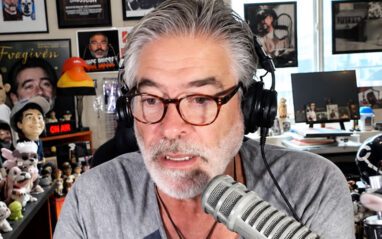
Vince Russo knows plenty of people question his version of wrestling history. His response is pretty simple: he can’t understand why anyone thinks professional wrestling would be important enough for him to lie about.
While speaking on the WHIP Podcast Show, Russo was asked about something that comes up repeatedly in his new book, Total Non-Stop Agony. Throughout the book, Russo makes a point of insisting that he is telling the truth about what happened during his wrestling career, so he was asked why establishing that mattered so much to him.
Russo said the entire idea is hilarious to him. He can understand why someone might lie when serious consequences are involved in their personal life, but he doesn’t put wrestling stories in that same category.
“Because the idea of me lying about things, especially concerning wrestling. Me lying over something concerning professional wrestling is, like, just hilarious to me. It is, absolutely.”
Russo then gave a few examples of situations where, in his view, someone might actually have a reason to hide the truth. When it comes to his own wrestling career, Russo doesn’t believe there is anything worth inventing a story over.
“And I’ve said this now, man. If you murdered somebody, maybe you’d lie. If you cheated on your wife, maybe you’d lie. If you stole a car, maybe you’d lie. But to lie about anything that took place in my wrestling career, that’s just laughable to me, man.”
Russo’s version of wrestling history has been debated plenty over the years, and Total Non-Stop Agony is unlikely to end those arguments. As far as Russo is concerned, though, questioning whether people agree with his recollection is one thing. Accusing him of deliberately making it up is something he finds ridiculous.
Do you believe Vince Russo’s version of his wrestling career, or do you understand why some fans and wrestlers question his recollections? Let us know in the comments.
This transcript was produced exclusively for Ringside News from the original recording. Republishing the transcription in full is prohibited. When using excerpts, provide prominent credit and a link to this article.
