
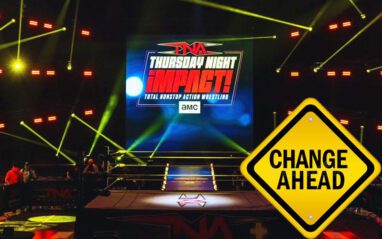
TNA’s move to AMC has changed more than just the network logo on the screen. According to Moose, it’s completely changed the way wrestlers have to work once the cameras start rolling.
While speaking on the Talk N Shop Show, Moose said the biggest difference isn’t having more executives backstage. The real change is that TNA is now shooting many of its taped shows “live to tape,” meaning wrestlers are under far more pressure to nail their matches the first time because AMC wants episodes delivered with little to no editing afterwards.
“Some shows we do have executives who show up, especially the live shows. But you could tell there’s a huge difference from our time now with AMC compared to the other TV networks that we worked for because they are so strict about TV time, even when we’re taping.
A lot of times when we have the taped shows, they’re shooting it live to tape. So they don’t want to make any cuts. They tell you, ‘Don’t mess up. Stick to your times. We don’t want to have to go to production and… snip it up to make it fit because AMC doesn’t like that.‘ They want the actual footage that you just shot, cleaned up, so they can use it.”
Moose admitted veterans have adapted to the change because they’ve spent years learning television wrestling. The younger talent, though, haven’t had it nearly as easy.
“Obviously we’ve been doing this for a long time, so we know how to stick to our time. But there’s a lot of younger guys who are still struggling with it. So for them it’s really, really stressful.”
He said sticking to the clock has become one of the biggest points of emphasis before every TV taping because everyone knows there won’t be much opportunity to fix things later.
“Every tape show that we have, that’s always the talk. ‘Stick to your time. Stick to your time. This is live to tape. We don’t have time to take it to production to cut it. We’re sending this footage straight to AMC.'”
Moose also explained why younger wrestlers often run into trouble once they actually get out there. What sounds like a 10-minute match on paper usually isn’t anywhere close to 10 minutes by the time entrances and post-match angles are taken into account.
“Especially when you go out there and they tell you, ‘Oh, you have a 10-minute segment.’ For instance, this last loop, I had a 10-minute segment. A minute and a half for both our entrances, which cuts us to seven, and then we have two minutes of stuff after the match, which cuts it to five. So your 10-minute match just turned into five.”
That’s where experience takes over. Moose said younger wrestlers often try to cram a WrestleMania-caliber match into those five minutes, while veterans know the real job is to tell the story, hit the important moments and get out on time.
“Some of the young guys would try to, in that five minutes, have a WrestleMania-type match. Us older guys are like, ‘Okay, let’s just get to the point of the match, whatever the story is. We know we’re not going to make Match of the Night. We know we’re not even going to get… this is just to tell whatever story we need to tell.'”
Fans watching at home probably won’t notice much difference between TNA’s old broadcasts and the new ones on AMC. Behind the scenes, though, Moose says the margin for error has become a whole lot smaller, and that’s putting pressure on everyone—especially the next generation trying to find their footing on television.
What do you think about TNA’s live-to-tape approach? Does the added pressure make for a better TV product, or should wrestlers have more room for production to clean things up afterwards? Let us know in the comments below.
