
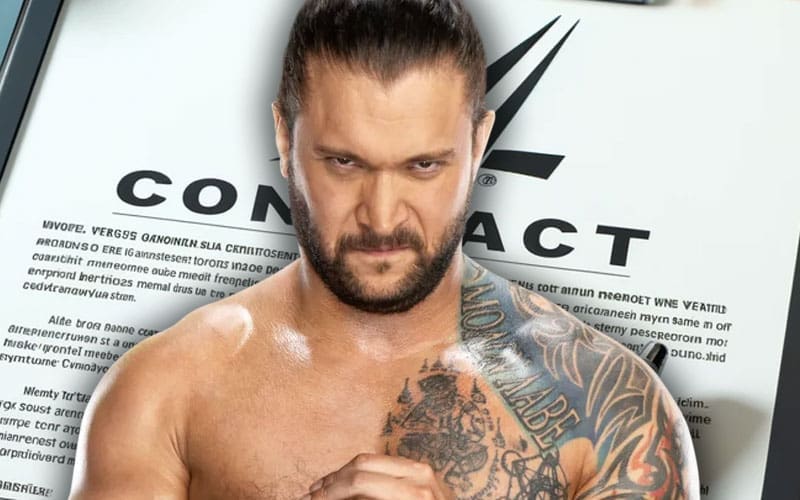
Karrion Kross and Scarlett’s WWE exits have stirred up plenty of discussion, especially after Kross revealed he was offered a new deal just days before his contract expired on August 10 — with only 24 hours to make a decision. Scarlett, according to Kross, wasn’t offered anything at that stage because WWE wanted to lock him in first.
On Wrestling Observer Radio, Dave Meltzer used the situation to explain WWE’s broader approach to contract talks, saying the strategy is based heavily on how much the company values a talent. For wrestlers they see as replaceable or “marginal,” the process is deliberately left until the last moment.
“The idea is when it’s someone who they don’t care about, how do they do it? You know, before the thing started, I mean, I was absolutely told that like this is how—if it’s a marginal person—they will wait to the end and then they will make an offer and they will give a time frame: take it or leave it, this is your offer. And I was told that before the Kross thing.”
Meltzer contrasted this with how WWE handles talent they consider to be top stars, saying those negotiations are proactive and happen months before a deal is set to expire.
“If you’re a star, if they see you as a star, they’re going to try to sign you six months ahead. Okay, that’s how it is. Sometimes it doesn’t work that way—Drew McIntyre, obviously they tried to sign him way early. He turned down offers, eventually signed, though he was always going to sign. He was never going anywhere else. But, you know, he upped his value essentially by having some really good months in the Punk feud and everything like that.”
When it came to Kross specifically, Meltzer expressed skepticism about the wisdom of publicly talking about the 24-hour offer while still claiming to be in active discussions with WWE.
“If you’re still in talks with them, I don’t think you’re going to tell this story. It would seem to be absolutely stupid business to tell the story if you’re still in talks with them.”
At the end of the day, whether it’s a calculated power move or a sign of who’s really valued in the locker room, WWE’s contract game clearly isn’t the same for everyone. For someone like Karrion Kross, the 24-hour offer could be viewed as either a final shot to keep him or a signal that he’s not at the top of the priority list.
This transcript was produced exclusively for Ringside News from the original recording. Republishing the transcription in full is prohibited. When using excerpts, provide prominent credit and a link to this article.
Do you think WWE’s approach to last-minute contract talks is a smart negotiating tactic, or does it show a lack of respect for certain talent? Please share your thoughts and feedback in the comment section below.
