
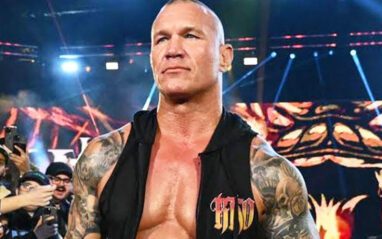
David Otunga has seen WWE hit another roadblock in its attempt to lock down Randy Orton’s famous “RKO” trademark, but he doesn’t think the company is dead in the water. The former WWE Superstar and Harvard-educated attorney believes more than 20 years of Orton dropping people with the move could give WWE a pretty strong argument to fight back.
During his Attorney at RAW segment, Otunga broke down the November 3 nonfinal refusal from the U.S. Patent and Trademark Office. WWE wants to register “RKO” for wrestling broadcasts and related entertainment services, but existing registrations belonging to RKO Pictures have created a potential likelihood-of-confusion problem.
Otunga explained that trademark law isn’t simply about two companies using the same name. The real question is whether consumers could reasonably believe their products or services are connected.
“Now, this latest refusal isn’t final. WWE still has a chance to fight it. The trademark office sees a potential problem called likelihood of confusion. What does likelihood of confusion mean? A trademark protects a name, logo, or other symbol that tells customers where a product or service comes from.
Think about Apple. There’s Apple, the technology company, and then there are actual apples, as in the fruit. Apple doesn’t own the word Apple for everything on the planet. Otherwise, every grocery store in America would be getting a cease and desist letter. And imagine paying $1,200 for an apple because it has a little logo on it.
But seriously, trademark law asks whether customers might mistakenly believe that two products or services come from the same company or that the companies are connected.”
That’s where RKO Pictures becomes WWE’s headache. Otunga explained that its existing trademarks cover film and television production, while WWE’s application wants those same three letters protected for wrestling broadcasts and online wrestling content.
“And here’s where WWE runs into trouble. RKO Pictures has trademark registrations that cover film and TV production. WWE wants to register those same three letters for wrestling broadcasts and online wrestling content. The examiner thinks those services are close enough that a viewer might see RKO and assume the two companies work together on the show.”
But Otunga thinks WWE has a pretty obvious card to play — Randy Orton himself. The RKO has been attached to Orton for more than two decades, and Otunga believes WWE can use that history to argue that wrestling fans already know exactly what those three letters mean in that context.
“But wait, Randy’s been using the RKO for over 20 years. Doesn’t that count for something? Absolutely. When wrestling fans hear RKO, who do they think of? Randy Orton, the Viper, the Apex Predator, RKO out of nowhere.
WWE can point to years of broadcast, promotion, and merchandise to show what those letters mean to wrestling fans. It could also argue that viewers know who’s behind a WWE wrestling show and that the studio services are different enough for both brands to coexist.
The catch is that knowing the name of a move only gets you so far. The examiner wants to know what people think those letters mean when they see them used to brand the entertainment itself.”
And despite all the trademark drama, Orton doesn’t suddenly need to start brainstorming a new name for his finisher. Otunga made it clear that the USPTO refusal concerns WWE getting this particular registration — it doesn’t automatically stop Orton or WWE from using the RKO name.
“So, does Randy Orton have to rename the RKO? No. At least not because of this decision. The trademark office is deciding whether to grant WWE this particular registration. If a rights holder wanted a court to make WWE stop using the name, that would take a separate legal fight.”
WWE now has until February 3, 2027 to respond and can also request a paid three-month extension. Otunga said the company could submit more evidence, narrow the services covered by its application or potentially work something out with the other trademark owner. As for whether WWE can actually get this thing overturned, Otunga likes its chances enough to say there’s a real case to be made.
“So, what’s my verdict? I think WWE has a real argument. When people hear RKO in a wrestling context, 20-plus years of Randy Orton counts for something. I’d show the examiner how WWE uses those letters and why a viewer would understand who’s behind the show.
And here’s the irony. Randy Orton built his career around a finishing move that comes out of nowhere. But this trademark problem, WWE has already seen it once before.”
WWE has already run into essentially this same RKO Pictures problem before, so none of this exactly came “out of nowhere.” The difference now is that Otunga believes WWE has decades of Randy Orton history it can put in front of the examiner and make the case that wrestling fans aren’t exactly confusing an RKO with a Hollywood studio.
Do you think David Otunga is right that Randy Orton’s 20-plus years using the RKO gives WWE a strong case to fight the trademark refusal? Let us know what you think in the comments.
This transcript was produced exclusively for Ringside News from the original recording. Republishing the transcription in full is prohibited. When using excerpts, provide prominent credit and a link to this article.
