
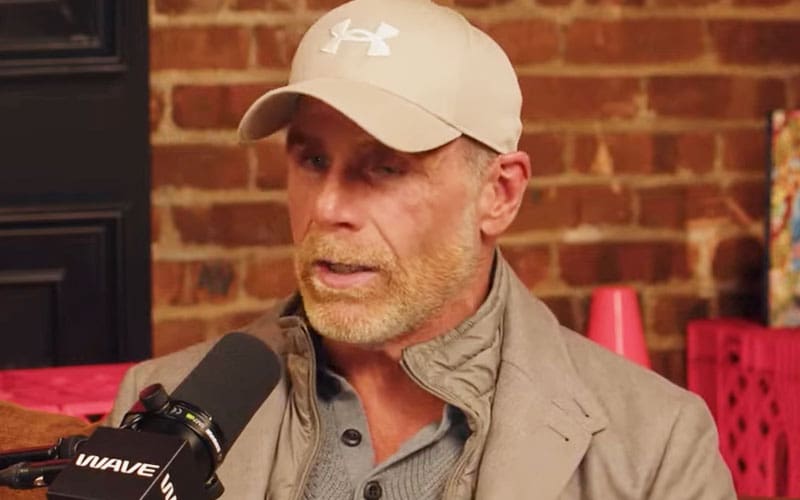
WWE’s developmental system is producing stars — but Shawn Michaels says it’s doing it under very different conditions than in the past.
While speaking with Stephanie McMahon on the What’s Your Story? podcast, Michaels explained why preparing talent for the WWE main roster is much harder now than it was during earlier generations of wrestling.
The biggest issue? Match volume. Michaels revealed that when he first entered the wrestling business, he worked constantly — something modern developmental wrestlers rarely experience because the structure of the industry has completely changed.
“It is—no, it’s very challenging.”
Michaels said WWE once asked him how long it realistically takes to fully prepare an athlete with no wrestling background for the main roster. His answer was much longer than some people inside the company expected.
“And look, that’s one of the things I can remember being asked, like how long do you think it takes to get one of these athletes that doesn’t know anything to get them totally ready for the main roster? Honestly, to get them ready to what I think is adequate to be ready for a main roster guy—three years.”
Stephanie McMahon responded by saying she would have guessed two years, but Michaels explained why he believes even that timeline may be unrealistic without enough in-ring experience.
“Yeah. And they said, really, you can’t get it done faster than that? And I was like, well, I mean, I guess we can. But not to get them to where I think they need to be, simply because of that—because we don’t have the opportunity there. We have people that, you know, I was in the hundreds of matches in probably three months.”
Michaels then compared today’s system to what wrestlers used to experience during the territory era, when younger talent would wrestle almost every single night while learning from veterans on the road.
“I was in the hundreds of matches in probably three months. It was every night of the week I was in the car with those guys.”
He admitted modern developmental talent simply doesn’t receive anywhere near that kind of repetition anymore.
“I can’t imagine—they may not get there in a year with the amount of live events.”
Michaels also pointed out another challenge: many younger wrestlers today are learning alongside other inexperienced talent rather than constantly being surrounded by seasoned veterans.
“It’s young on young. Even if they’re having great conversations in the car, you don’t know how much they’re actually learning and growing in that respect.”
That’s why Michaels believes WWE’s growing list of outside partnerships has become so important for development. He specifically pointed to WWE’s relationships with TNA Wrestling, Lucha Libre AAA Worldwide, and Reality of Wrestling as critical tools for helping talent gain more real-world experience.
“You can’t increase reps without reps. “The EVOLVE show, LFG, some of these partnerships that we have with TNA… AAA as well.”
Michaels also noted that WWE has started increasing the number of live events developmental talent are working in an attempt to recreate some of that old-school repetition.
“We’re out there doing more live events. We just did a string of really good shows in New York, White Plains and Plymouth.”
Bottom line — Michaels believes today’s WWE system can still produce stars, but without the nonstop repetition older generations had, getting talent fully prepared for RAW or SmackDown now takes significantly longer than it once did.
Do you think modern WWE talent are being called up too quickly, or has the business simply changed too much for the old developmental system to ever fully return? Let us know your thoughts.
This transcript was produced exclusively for Ringside News from the original recording. Republishing the transcription in full is prohibited. When using excerpts, provide prominent credit and a link to this article.
