
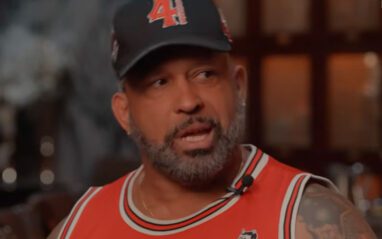
MVP has pulled back the curtain on the drug abuse he witnessed after joining WWE’s main roster. He says the problem was so bad that established stars and Hall of Famers could be found passed out face-first in their food backstage.
During an episode of Marking Out with MVP and Dwayne Swayze, MVP discussed how drastically professional wrestling’s locker-room culture has changed since the beginning of his career. Today’s wrestlers may return to their hotel rooms to play video games, call their partners and drink protein shakes, but MVP entered the business near the end of a much darker era.
MVP said veteran wrestlers taught him that relationships were often built after shows at hotel bars. Michael Hayes was the first person to tell him that professional opportunities could come from socializing away from the arena.
“I’ll never forget—Michael Hayes was the first person to tell me business gets done at the bar. And that’s true. When you’re working with your peers, getting a chance for people to get to know you—because professional wrestling is a popularity contest—and the office has to have a positive opinion of you. They have to like you.”
According to MVP, those gatherings could provide valuable advice and camaraderie, but they also exposed younger wrestlers to an ugly drug culture. He recalled veterans inviting him back to hotel rooms where heavy drinking and drug use took place.
“When I came in, man, it was ugly. I used to be the young guy afterward. Some of the older veterans would be like, ‘Hey, Antonio Banks, come hang out with us, man,’ because they saw something in me. I worked out. I had talent. I wanted to go to the bar or the club, and I wanted to drink, but I wanted to chase some girls. These vets are telling me, ‘Come hang with them.’ We go back to the hotel room, and they’re chopping up. They got a couple cases of Steel Reserve.”
MVP said he appreciated hearing stories and receiving knowledge from veterans, but he did not enjoy everything that came with those late-night gatherings.
“I remember I’d be like, ‘This isn’t fun to me, man.’ I’m getting a lot of knowledge, and they’re telling stories, and they’re great, but I’m like, ‘I don’t want to do this. I don’t want to.’”
The situation did not end once MVP reached WWE. He said major stars were still abusing muscle relaxers and other pharmaceuticals when he was called up to the company’s main roster.
“I remember, dude, when I got called up to the main roster, there were still, at that point, stars—Hall of Famers that are on the roster today—face down in their food in catering.”
MVP said some wrestlers would consume several muscle relaxers at once. His description made it clear that the pills were not always being taken for legitimate pain relief.
“Back then, dudes were doing five, six, seven of them at a time. I’ve seen as many as [inaudible] in one sitting.”
The former WWE United States Champion acknowledged that pain medication initially served a practical purpose for injured wrestlers. At the time, missing work could also mean missing a paycheck. However, he watched legitimate use spiral into widespread abuse.
“At one point, guys were taking pain pills because, hey, you got an injury. If you don’t work, you don’t get paid. But the abuse of the pharmaceuticals that I saw from guys who were friends of mine—and some of them are no longer here.”
MVP said drugs became a path toward acceptance in the wrestling business. Younger performers could feel pressured to participate because they wanted veterans to view them as part of the group.
“The whole drug culture was a big thing when I started, and it was a way to get in, a way to be accepted, a way to become one of the boys.”
That culture changed dramatically after WWE introduced its Wellness Program. MVP said the sight of wrestlers openly carrying and sharing bottles of pills disappeared from the locker room. Wrestlers joked about the policy when it was introduced, but MVP now has no doubt that it prevented people from dying.
“The Wellness Program came along—top-down effect. There were no shaking pill bottles in the locker room anymore. That culture of sharing pills got decimated with the Wellness Program.”
“We used to joke around and say, ‘Man, ever since they started the Wellness Program, I don’t feel so well.’ But it saved lives. In the grand scheme of things, it truly did.”
MVP saw the damage of wrestling’s pill culture up close, including friends who are no longer alive. While the business still has its problems, he believes WWE’s Wellness Program destroyed a backstage culture that had put countless wrestlers at risk.
What do you make of MVP’s account of Hall of Famers passing out in catering, and how much do you think wrestling’s locker-room culture has changed? Let us know in the comments.
This transcript was produced exclusively for Ringside News from the original recording. Republishing the transcription in full is prohibited. When using excerpts, provide prominent credit and a link to this article.
