
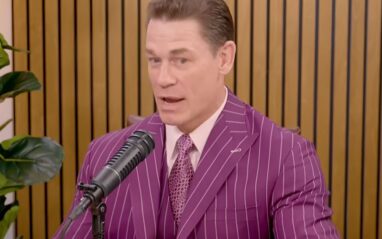
John Cena just pulled back the curtain on how WWE matches really come together—and the planned winner isn’t always safe once the bell rings.
During his appearance on Good Hang with Amy Poehler, Cena explained that he preferred working as an improvisational performer. That did not mean walking into the ring unprepared. Cena said the wrestlers must first understand why they are fighting so every move and reaction connects to the story.
“I like to be an improvisational performer, but I don’t go out and wing it. I prepare my ass off. I start with the creative part: What is the story? If we’re fighting over the fact that you stole ten grand from me, everything I do is going to relate back to your theft, and everything you do is going to defend that you never took it.”
Cena said the opening portions of a match can remain loose enough for the wrestlers to react to the crowd. The final act is different because that is where the most dangerous moves and important story beats usually happen.
“What we need to really rehearse is from the comeback to the finish, and that’s usually the rehearsed physical part. The third act needs to be rehearsed ad nauseam because you’re doing dangerous things. There’s a fundamental trust between performers that you know a certain skill and I know a certain skill.”
“The conversation we can have beforehand is, ‘Do you do anything specific that’s outside of the fundamentals that I should know about?’ The person who leads gets all that information and stores it. The third act needs to be prepared because it can also change. Basically, you use the first two acts to go out and improvise.”
The crowd plays a massive role in deciding what happens during those first two acts. Cena said WWE fans are not simply watching the performance. Their cheers, boos and chants become part of the match and can force the wrestlers to adjust the story immediately.
“The thing that WWE is different than SNL, different than sketch, is the audience is the act—not observing the act. The audience is the act. As a performer, the way I approach it is, okay, I have 25 minutes. We have a match together, and we’ve been telling the story that you’ve stolen something from me for three weeks.”
Cena used an example where the crowd unexpectedly supports the wrestler who is supposed to be the villain. He said he could immediately tell that opponent to punch him in the face while he was not looking, giving the audience a reason to switch sides.
That level of preparation also allows WWE to make an even bigger change while the match is already happening. Cena confirmed that producers backstage can send instructions through the referee—including an order to change the finish and have the other wrestler win.
“There have been instances where the people behind the curtain will tell the referee to tell you, ‘Switch the finish.’ We’ve decided that the other person is going to win. If you’re super prepared, you can change things in real time.”
“As I’m saying, ‘When I turn around, punch me in the face,’ I’m listening to the crowd. I’m hoping you’re going to be there. I’m also listening to my referee saying, ‘You have 17 minutes left. You have 16 minutes left.’ It’s all happening in real time, and there are coaches watching you from behind the curtain who will tell the referee what they think you should do.”
Cena’s explanation shows why WWE wrestlers need more than a list of planned moves. They must remember the story, protect each other, listen to the crowd, watch the clock and remain ready for someone backstage to change the entire ending.
What do you think about WWE changing a match winner while the match is already happening? Let us know your thoughts and leave your feedback in the comments.
This transcript was produced exclusively for Ringside News from the original recording. Republishing the transcription in full is prohibited. When using excerpts, provide prominent credit and a link to this article.
