
Professional wrestling has always relied on timing, athleticism and larger-than-life personalities. What fans see on television, however, is no longer created with a few cameras and a basic lighting rig.
Modern wrestling productions combine live television, digital media, performance data, streaming platforms and social media. Those tools have changed how wrestlers prepare, how promotions present matches and how fans follow the action outside the arena. The result is a wrestling business that moves faster and reaches more people than ever before.
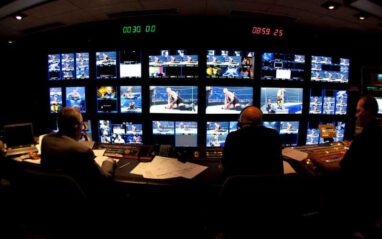
A major WWE, AEW or TNA event can involve dozens of cameras positioned around the ring, entrance stage and crowd. Producers switch between those cameras in real time, looking for the angle that best captures a move, facial expression or audience reaction.
A well-timed close-up can make a near-fall feel more dramatic. A wide shot can show thousands of fans reacting at once. Slow-motion footage can give viewers another look at a major dive, championship victory or controversial finish seconds after it happens.
That production work has become part of how wrestling stories are told. The action inside the ring still matters most, but the way it is filmed can change how viewers experience it.
Entrance presentations have also become much more elaborate. Video walls, synchronized lighting, lasers, smoke effects and custom graphics help establish a wrestler’s character before the bell even rings. For top stars, an entrance is no longer a simple walk to the ring. It is part of the performance.
Technology has also changed how wrestlers prepare for matches. Training is still built around ring work, strength and conditioning, but performers now have more ways to track their physical condition.
Wearable devices can measure heart rate, sleep, recovery and overall workload. Video allows wrestlers and coaches to study movement, timing and positioning. That information can help performers adjust their training instead of relying entirely on instinct.
None of that removes the physical risks of wrestling. Taking bumps several nights a week remains demanding, and no piece of equipment can completely prevent injuries. Better information, however, can help wrestlers understand when their bodies need more recovery or when part of their training routine needs to change.
Video analysis is also useful inside the ring. Wrestlers can review previous matches to find missed camera positions, awkward transitions or moments where the crowd lost interest.
They can also study an opponent’s habits before putting a match together. That might include how someone delivers a particular move, where they usually stand or how they react to certain sequences.
Fans may never see that preparation, but it can make the final match look smoother and more believable. The biggest technological change for viewers may be the growth of streaming. Wrestling fans once had to watch a program when it aired or hope they remembered to record it. Now, matches, interviews, press conferences and classic events are available across television networks, streaming services and social platforms.
A fan can watch a live show, replay a finish, find a backstage interview and follow the performers involved without leaving a phone or computer.
That constant access has also changed the news cycle. A major return, injury or title change can spread online within minutes. Clips are shared across social media before a broadcast has even ended, allowing fans around the world to react at the same time.
Promotions now create content specifically for those platforms. Short interviews, exclusive videos and digital segments can continue a storyline after the television broadcast is over.
Wrestlers have also gained more control over how they communicate with fans. Social media allows performers to promote appearances, explain their side of a rivalry and build interest in upcoming matches.
That access can be valuable, but it also creates complications. A social media post can add heat to a storyline, reveal information that was meant to stay private or create confusion over whether an argument is real or part of the show. Fans now analyze nearly everything a wrestler posts. A deleted photograph, cryptic message or change to a profile can quickly become part of the conversation.
Technology has also expanded the ways fans try to predict wrestling results. Betting markets sometimes offer odds on major matches, championship outcomes and other event-related possibilities. That creates an unusual situation because professional wrestling has predetermined results. Unlike a traditional sporting event, the outcome is decided as part of a storyline rather than through direct competition.
Sportsbooks must therefore be careful about which markets they offer and how much money they accept. Fans also need to understand that odds do not confirm who will win. Plans can change because of injuries, creative decisions or other circumstances.
The connection between wrestling audiences and online entertainment has led some platforms to offer several products in one place. That can include sports wagering, live results and casino-style games such as online pokies NZ.
Betting is only one small part of wrestling’s growing digital world. Fantasy leagues, prediction contests, fan polls and live chats also allow viewers to take part without placing money on an outcome. Some promotions have experimented with interactive voting and digital exclusives, giving fans more ways to engage with a show. While the audience does not control every creative decision, online reactions can influence which wrestlers gain momentum and which storylines receive more television time.
The wrestling business still depends on the same basic ingredients it always has: compelling characters, believable rivalries and matches that make people care about the result. Technology has not replaced those elements. It has changed how they are produced, distributed and discussed.
From the cameras surrounding the ring to the phones in the crowd, nearly every part of the wrestling experience is now connected. The tools will continue to evolve, but their value will always depend on how well they support the performers and stories that fans came to see.
