
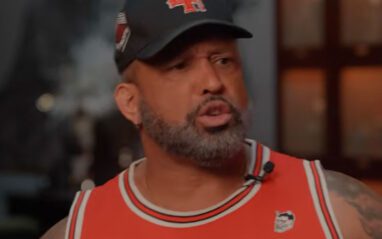
MVP says veteran wrestlers tried to convince him to take pills when he was breaking into the business. He refused—and says his life before wrestling made it impossible for anyone in the locker room to intimidate him into joining that culture.
During an episode of Marking Out with MVP and Dwayne Swayze, MVP looked back at the advice he received from veterans early in his career. While most of them tried to help him, others encouraged him to use pills before matches. The exact name of the substance was unclear in the recording, but MVP said the wrestlers told him it would help him relax. He immediately rejected the suggestion.
“When I first started, there were lots of guys that were like, ‘All right, listen. You need to [inaudible] so you can relax.’ I’m like, ‘No, man. I don’t do pills, man.’ ‘You got to take one. Just one before your match.’ I’m like, ‘No. No, I don’t like that stuff.’”
MVP said he entered wrestling as the old-school locker-room culture was beginning to disappear. Drinking, pills and other destructive habits remained common, but he believes those practices have since given way to a safer environment.
“I tease all the time about the business and whatnot, but a lot of the old, nasty, ugly habits have given way to healthier, safer locker rooms and wrestlers, and that’s great. I’m not condemning that.”
Unlike some young wrestlers entering the business for the first time, MVP had already survived prison. He said that experience left him comfortable standing his ground when veterans tried to pressure him.
“When I came in, I was coming out of prison and into wrestling. So, this wasn’t my first time away from home. You ain’t intimidating me. I’m not afraid to say, ‘No, I’m good on that.’”
MVP recalled some people reacting aggressively when he refused, only to back down once they realized he would not be pushed around. He said there were also people who tried to present themselves as tough when pressuring younger wrestlers. MVP had no interest in playing along.
“Some guys would be like, ‘What? You don’t want to be—you like—who you talking to like that?’ And they’d go, ‘Oh, wait. Take it easy.’ They would have to respect that.”
“You got some of the posers that would try to act some kind of way. Like, ‘No, you can take that over there. And then when you get there, take it a little further.’”
MVP avoided becoming part of the drug culture, but he watched other young wrestlers give in because they were desperate to earn acceptance. Some would even arrive with pills or other substances to distribute among the veterans.
“I never got into the drug culture early on, but I would see other young guys who were trying to be accepted and trying to be cool. They would come up and be like, ‘Hey, fellas, look what I got.’ ‘Oh, you got some?’ ‘Oh, yeah. Here you go. I brought some for everybody.’”
He believes those wrestlers were not necessarily trying to destroy themselves. They wanted to feel like they belonged, and substance abuse had become one of the ways to gain entry into the group. MVP said WWE’s Wellness Program eventually brought a top-down change to the locker room and crushed the open exchange of pills.
“They thought, to be accepted, it would be cool to be all fcked up. They just wanted to be accepted. They wanted to be cool. And that drug culture was something that was big.”*
“The Wellness Program came along—top-down effect. There were no shaking pill bottles in the locker room anymore. That culture of sharing pills got decimated with the Wellness Program.”
The former WWE Superstar credits his background with giving him the confidence to reject the pressure surrounding him. Other young wrestlers were not always able to do the same, and MVP watched their need for acceptance pull them into one of wrestling’s most dangerous backstage traditions.
Do you think young wrestlers still face the same pressure to fit in today, or has the business finally moved beyond that culture? Let us know what you think in the comments.
This transcript was produced exclusively for Ringside News from the original recording. Republishing the transcription in full is prohibited. When using excerpts, provide prominent credit and a link to this article.
