
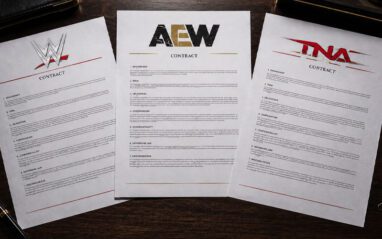
A wrestling contract can reach the expiration date everyone had circled—and still keep going. The wrestler does not sign a new deal, but one clause can push free agency back by months or even longer.
It is called freezing a contract, although promotions also describe it as adding injury time. WWE, AEW and TNA have all used versions of the practice. The process begins with the original contract. That agreement can give the promotion the right to pause the wrestler’s contracted service time when they are unavailable because of an injury, pregnancy or another covered absence.
The promotion then counts the time the wrestler missed and decides whether to add it to the end of the deal. If a wrestler’s contract is scheduled to expire on July 1 but they missed seven months, the company can push that expiration date into February of the following year. The wrestler does not need to sign another contract because the right to add that time was included in the deal they already signed. The wrestler continues receiving the pay guaranteed under the contract. Their salary is not shut off during the freeze and restarted when they return.
What stops is the clock leading to free agency. While the added time is being served, the wrestler remains under contract. They cannot sign with another major promotion, and outside bookings or merchandise deals remain subject to the restrictions in their agreement.
The company can bring the wrestler back during that extension, but it does not have to use them on television. A wrestler can remain at home, continue getting paid and still be blocked from leaving until every added day is finished. The extension is not always automatic. The contract gives the promotion the option to add time, but the company can decide how much time qualifies—or whether it wants to exercise that option at all.
Carmella gave a firsthand explanation of WWE’s process after her contract expired in February 2025. WWE froze her deal during pregnancy, continued paying her and initially gave her a set amount of time away. Carmella believed WWE would add her entire absence once she was medically able to return. Instead, WWE reinstated her contract seven weeks after she gave birth, even though she had not returned to work and was dealing with nerve damage in her foot. The remaining time then continued running until the deal expired.
Her situation showed the other side of the system: a promotion can freeze a contract, but it can also start the clock again or decide not to claim every possible month. AEW uses the same basic mechanism. Adam Copeland said time was added to his deal for the broken leg that kept him out of action and for the time he missed while filming The Beekeeper 2 and Percy Jackson.
Danhausen’s AEW contract became a more controversial example. His deal was expected to expire during the summer of 2025, but AEW added injury time and pushed it to February 28, 2026. He remained signed and paid even though he wanted out if the company had no plans to use him.
That is how frozen contracts work across pro wrestling. The company counts qualifying time away, moves the expiration date and continues paying the wrestler while keeping the original agreement alive. The exact language, amount of time and reason for the freeze can change from one contract to another.
Do you think promotions should control whether missed time gets added, or should the wrestler have to agree before the original expiration date is changed? Leave your feedback in the comments below.
