
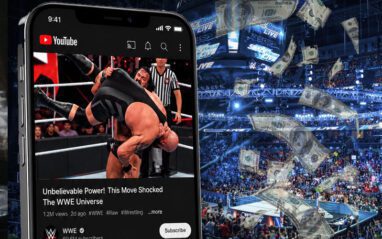
Pro wrestling is no longer begging mainstream entertainment for a seat at the table. It is kicking down the door, packing stadiums and convincing the biggest media companies in the world to spend serious money on body slams, title changes and weekly cliffhangers. Wrestling never vanished. The business figured out how to follow its audience from cable television to streaming services, social media feeds and smartphones.
WWE has become the biggest example of that shift, but the growth stretches far beyond one company. AEW has built a national television presence, TNA has expanded its reach, and promotions from Japan, Mexico and Europe are easier for American fans to watch than ever. The result is a wrestling business that never truly clocks out. A show airs for two or three hours, but the conversation keeps going all week.
Streaming Put Wrestling in Front of a New Audience
WWE’s move to Netflix changed far more than the location of Monday Night Raw. It placed weekly wrestling beside blockbuster movies, true-crime documentaries and Netflix’s biggest original shows. Fans no longer needed a cable package or had to search through a television guide to find Raw. The show was already sitting on the same home screen they used every night.
Netflix said its members watched 525 million hours of WWE programming in 2025, proving there was a substantial audience ready to consume wrestling through a global streaming platform. That kind of placement creates opportunities cable television could never offer.
Someone may click on Raw because they recognize John Cena, Roman Reigns, Rhea Ripley, Cody Rhodes or CM Punk. A championship match catches their attention, a surprise return keeps them watching, and one week later they are arguing online about who should win at WrestleMania.
That is how casual curiosity becomes a weekly habit. Streaming also made WWE easier to follow outside the United States. WWE says its programming is available across 165 countries and in more than 20 languages, giving the company a truly international platform. The audience is no longer limited by what a local cable company decides to carry.
Social Media Never Lets the Show End
Professional wrestling may be the perfect product for the social media era. The characters are loud. The rivalries are easy to understand. The biggest moments can be clipped into a 20-second video and shared around the world before the show even goes off the air.
A surprise return explodes across X. A brutal knockout takes over TikTok. A championship betrayal fills YouTube with reactions, theories and arguments. The weekly program creates the moment. Social media keeps it alive. WWE currently lists 365 million social followers, while WrestleMania 41 generated 1.1 billion social views across its two-night weekend. That makes a wrestling fan more valuable than one television rating can show.
Fans watch the broadcast, replay clips, follow wrestlers online, buy merchandise, listen to podcasts and spend the rest of the week discussing what should happen next. There is no offseason and no final episode.
Wrestling fans also tend to move between several forms of entertainment at the same time. A viewer may watch Raw on television while checking social media, reading news or exploring legal online gaming options from a phone.
Pennsylvania readers interested in that side of the entertainment industry can use PlayPennsylvania casino coverage for information about legal online casinos available across the state. That second-screen behavior matters because wrestling is no longer competing for a viewer’s complete attention. It has learned how to remain part of the conversation while fans move between platforms.
Live Events Turn Wrestling Fans Into Tourists
Streaming delivers reach, but live events show how much money and passion wrestling can generate. Fans do not simply drive across town for WrestleMania. They book flights, reserve hotel rooms and build entire vacations around it.
The Las Vegas Stadium Authority recorded 118,641 attendees across the two nights of WrestleMania 41 at Allegiant Stadium. More than 80% of the crowd came from outside Las Vegas on each night, and nearly all those visitors said WrestleMania was the reason for the trip. That means one wrestling event helped fill hotel rooms, restaurants, casinos, merchandise stands and local attractions across an entire weekend.
WWE also declared WrestleMania 41 the most successful event in company history. The weekend set records for gate revenue, sponsorships, merchandise and social viewing. On-site merchandise sales increased by more than 45% compared to the previous company record, while WWE World attracted over 50,000 visitors. That is the kind of business major cities want. Wrestling brings a built-in traveling audience that is willing to spend money before the opening bell and long after the final match.
Women’s Wrestling Is No Longer a Side Attraction
One of the biggest changes in modern wrestling is the position of its female stars. Women’s wrestling was once treated as a break between the matches promoters considered important. That era is dead.
Rhea Ripley, Bianca Belair, IYO SKY, Tiffany Stratton, Becky Lynch, Charlotte Flair, Mercedes Moné and Toni Storm are not secondary attractions. They sell tickets, move merchandise, drive online engagement and headline major events.
Fans are no longer being told to support women’s wrestling because it represents progress. They are invested because the characters, matches and rivalries have become some of the strongest parts of the shows. That shift also opened wrestling to a broader audience.
Younger fans now see women presented as dominant champions, villains, heroes and franchise-level stars. They are woven into the center of the product instead of being treated like a separate division the audience can ignore.
Promotions that fail to invest in women’s wrestling are no longer behind the times. They are leaving money and viewers on the table.
Wrestling Has Become a Year-Round Content Machine
Most entertainment products have a built-in expiration date. A movie gets an opening weekend. A television drama releases a season and disappears for a year. A sports league crowns a champion and enters an offseason.
Wrestling keeps moving. There are weekly television shows, premium live events, press conferences, documentaries, podcasts, social media feuds, merchandise releases and live tours. One story ends and another begins before fans have time to leave. That constant flow of content gives wrestling a major advantage.
Media companies are not buying a handful of special events. They are getting fresh programming and fan engagement across the entire calendar. Wrestling promotions can also react quickly. If a star catches fire online, that person can receive a larger role within weeks. If a storyline connects with the audience, it can be extended. If fans reject something, the company can change direction without waiting for another season. That flexibility keeps the product unpredictable.
Fans may complain about the booking, swear they are finished watching and then tune in the next week because they need to see what happens. That emotional investment is the business.
A Global Industry With Local Flavor
Wrestling’s growth is not limited to North America. Japan has its hard-hitting puroresu tradition. Mexico brings lucha libre, masks and generations of wrestling families. The United Kingdom has a deeply rooted independent scene, while countries across Europe, Asia and Latin America continue developing talent and attracting fans.
Those styles do not cancel each other out. They feed a worldwide wrestling culture. A fan in the United States can discover a Mexican luchador through a viral clip, watch a Japanese championship match online and then see that same wrestler appear for WWE or AEW. The barriers that once kept wrestling scenes separated are disappearing.
WWE, AEW, TNA, NJPW, CMLL, AAA and independent promotions are all fighting for attention, but they are also exposing fans to wrestlers and styles they may never have seen in the cable era. More access creates more competition, but it also creates more fans.
Wrestling Built the Perfect Modern Fandom
Professional wrestling is winning because it offers something the modern entertainment business desperately wants: an audience that never stops participating.
Streaming makes the shows easier to find. Social media makes the biggest moments impossible to avoid. Live events turn viewers into travelers, while weekly storytelling gives them a reason to return after every final bell.
The fans do more than watch. They debate. They complain. They celebrate. They buy tickets. They order merchandise. They follow wrestlers across promotions and build communities around a business that never truly shuts down. Wrestling is no longer fighting to survive in a crowded entertainment market. It is selling streaming hours, sponsorships, tickets, merchandise and attention at a level the rest of the industry can no longer dismiss.
