
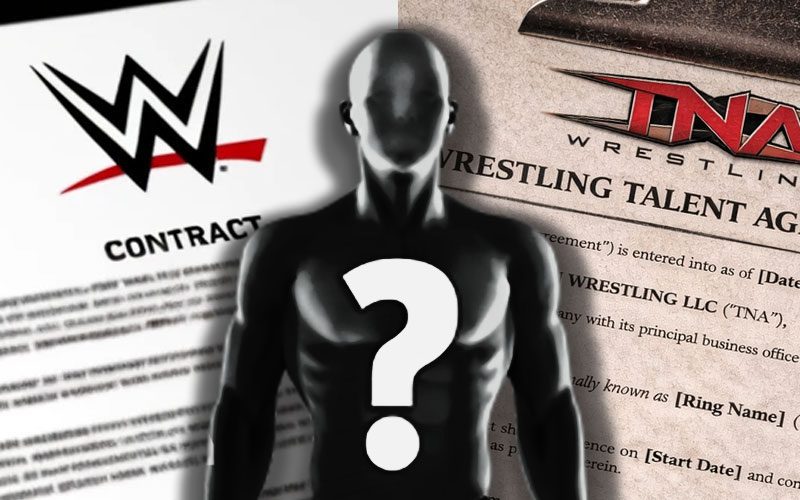
WWE and TNA’s working relationship may come with a much bigger hook than simple NXT crossover appearances, because Dave Meltzer claimed there is a provision in the deal that would allow WWE to buy TNA at a set price if the company decides to make that move.
The topic came up on Wrestling Observer Radio while Meltzer and Bryan Alvarez were discussing Steve Maclin and Mila Grace leaving TNA Wrestling. Maclin’s exit raised more questions about TNA’s direction, but Meltzer shifted the conversation to the bigger picture involving WWE’s relationship with the company.
Meltzer said that TNA’s working agreement with WWE includes a purchase option. He made it clear that does not mean WWE is definitely buying TNA, but he said the right is there.
“I mean, as far as, like, what’s going to happen, you know, I mean, there’s a, There’s a deal in there when they made the working agreement, you know, part of the working agreement is if WWE wants to buy them, they can buy them. There’s a set price and everything of what they’ll. What they’ll pay.”
That is a massive detail if accurate, because the WWE-TNA partnership has already become one of the most talked-about stories in wrestling. NXT talent have appeared on TNA television, TNA talent have crossed into WWE programming, and the relationship has created a very different look for TNA compared to where the company was before the crossover started.
Meltzer stressed that WWE having the right to buy TNA does not automatically mean they will actually do it. He compared the situation to past WWE deals with European independent promotions, where WWE had the option to buy companies later but never pulled the trigger.
“I don’t know that WWE will ever buy them because that was the same deal that they did with, you know, know all the British promot when they. All the promotions. If you remember years ago when Vince McMahon had this idea, well, it wasn’t his idea, but they tried to get Vince, hey, you know what we can do for the WWE Network? Let’s get all of these European indies that were really good and put them on the network as new programming.”
Meltzer explained that those promotions were offered more exposure through WWE, but the deals also included language giving WWE the right to buy them at the end.
“And so they were all presented with a deal. And it was basically, we want. Will, we’re going to start putting all your cards on the WWE Network. So for them, it’s like, wow, you know, way more exposure. But in all of the deals after we have the right. And I, you know, and there might have been a different money figure for each one, but, you know, it wasn’t like a million dollars. We will, you know, when this is over, we will like buy you for a million dollars or we won’t buy you. There was. They didn’t have to buy them, but they had the right to buy them.”
That comparison matters because WWE never bought those promotions, even though the option was there. Meltzer said that is why fans should not assume WWE buying TNA is a done deal.
“WWE bought none of them. So, like, a lot of people, when they’re talking about TNA and I, and they may buy TNA, you know, for the tape library, you know, they, you know, it’s. The tape library is not as valuable now as it probably would have been years ago when you were putting out DVDs and when you had your own network.”
Meltzer also questioned how valuable TNA’s tape library would be to WWE in the current era. WWE no longer runs its own streaming network in the same way, and older libraries may not carry the same value they once did when companies were selling DVDs or filling their own platforms with archive footage.
“Like, now it’s like, it’s. It’s Netflix. Does Netflix really want to put up a whole bunch of old TNA TV shows? No, they don’t. So the value, you know, are they going to start releasing DVDs again? Of course not.”
Still, Meltzer said the purchase right exists, and the decision would ultimately come down to WWE President Nick Khan. Meltzer also suggested that Anthem may want that kind of outcome down the line, or else it would be hard to see why they agreed to that setup.
“So. But still, like, the right. Is there whether they do it or not? I have no idea. You know, it’s going to be a decision that Nick makes. And, you know, I don’t know what their thoughts are.”
“I’m sure that that’s what Anthem probably would like at the end, or they wouldn’t have made the deal. And that’s where we’re at right now.”
The Steve Maclin discussion added another layer to the story. Meltzer said Maclin was one of TNA’s stars, and his departure has given fans another reason to debate where the company is heading.
“So, you know, a lot of people are using this because, because again, Macklin was one of their, their stars. They’re, you know, and saying like, this is the end or this is whatever. I mean, the one thing I will say with TNA is that they are not that interesting right now. I mean, I don’t really hear much talk about them or anything.”
Meltzer also warned that promotions working closely with WWE often face the same problem. WWE talent come in as bigger stars, the local promotion gets a short-term boost, and then the company has to rebuild around its own roster once the WWE names stop appearing.
“But it is. Look, it’s like there is a history that goes back decades of people who work with WWE and it pretty much always ends the same way. You know, you bring in WWE people and they’re the big stars and they beat your guys and they never, they. I don’t say they never do jobs because they do do jobs, but they, they don’t do meaningful ones.”
Meltzer said TNA’s situation is especially tricky because it is not WWE main roster talent being positioned strongly on TNA programming, but NXT talent.
“And when they stop coming and you have to go and build this thing with your own stars after you’ve already shown everyone that the, in this case, that the NXT guys, this isn’t even main roster WWE, that the NXT guys are, are ahead of you on your own show. And now they’re gone, and now you got to rely on your own guys. It’s a struggle.”
The WWE-TNA relationship has already brought more attention to TNA, but Meltzer’s claim about a set-price purchase option gives the whole situation a much different feel. If WWE can buy TNA whenever it chooses under the terms of the agreement, then every crossover, title change, and talent move could be looked at through a much bigger business lens.
For now, WWE has not bought TNA, and Meltzer made it clear that the option alone does not guarantee anything. Still, the idea that WWE has a path to purchase TNA makes this working relationship far more interesting than a few surprise appearances on NXT or TNA television.
What do you think about WWE possibly having the option to buy TNA? Please share your thoughts and feedback in the comments section below.
Please credit Ringside News if you use the above transcript in your publication.
