
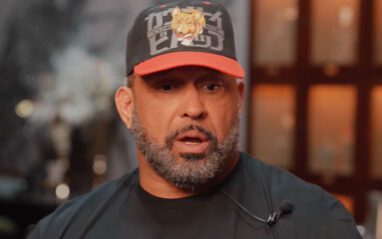
MVP understands why wrestlers might not love having injury time added to the end of their contracts, but he doesn’t think the practice itself is unfair. If a company keeps paying someone through a serious injury and covers their recovery, MVP believes it has a reasonable argument for wanting that lost time back.
While speaking on his Marking Out podcast, MVP was asked what actually happens to a wrestler’s contract and paycheck when an injury keeps them out for an extended period. He explained that every situation depends on the deal, but contracts can be structured to give the promotion the right to extend them by the amount of time missed.
“So, that’s one of those things that is, it’s a managerial corporate type thing. Typically, say you sign a three-year deal and you have an injury and you’re out for six months. Serious injury. When you come back, the company, a lot of the time, the way the contracts are structured reserves the right to extend your contract to the time that you missed being out on injury.”
In that example, the wrestler isn’t necessarily going six months without a paycheck. MVP said they can continue getting paid while recovering, with the company later adding those six months onto the agreement.
“Now, while you’re out on injury, you’re still getting paid. So they feel like, ‘Okay, we paid you while you were hurt. You still owe us that time.’ So they’ll extend your contract, say the six months that you were out, but you’ll still get paid. They’re just reclaiming their time.”
There is an important distinction, though. MVP said having the contractual right to add injury time doesn’t mean a company is required to use it every time someone gets hurt.
“But here’s the thing, they don’t have to do it. They can do it. So, you can get hurt and be done. They can say, ‘Hey, man, no problem, you can go. It’s cool.’”
MVP also isn’t pretending those clauses are always invoked for completely innocent reasons. He has seen situations where a company simply didn’t want someone leaving and immediately showing up for the competition.
“But if they want to, if they want to, and there’s for multiple levels. If they just want to be petty and be like, ‘No, you ain’t going across the street. We’re invoking your time to make you stay here for the time that you were hurt.’”
That isn’t the only reason a promotion might do it, however. MVP believes there are also situations where it comes down to straightforward business after the company continued investing money in someone it couldn’t use.
“Or it can just be a legit professional thing like, ‘Hey, man, we needed you, we were using you, we paid for your medical, we paid you while you were out. Give us back that time,’ invoking that part of the clause. In some cases, it’s just legitimate business.”
MVP was also asked whether the same thing applies when a wrestler misses time because of pregnancy. He wasn’t willing to pretend he knew the answer there and made it clear he wasn’t familiar enough with the legal side to make a definitive claim.
“I don’t know how that works with, you know, like I’m not even sure what the laws are and how that works with pregnancy. You know, I don’t know the legality of that and how that works.”
When it comes to injuries, however, MVP has personally seen the clause used both ways. Sometimes it was about keeping someone from leaving for another promotion, while other times he felt there was nothing particularly underhanded about it.
“But I’ve seen it both ways. I’ve seen it where it was activated kind of petty to keep somebody from happily going to the competitor. And I’ve seen it activated where it was legit. Like, ‘Hey, you know, everything’s above board. We’re not doing it to be petty. We’re doing it because we want that time back out of you.’”
That led to the bigger question: regardless of how companies might occasionally abuse the clause, is the basic idea of extending someone’s contract because they were injured actually fair? MVP’s answer was simple: “I’m going to say yes.”
His reasoning comes down to what happens while the wrestler is sitting at home. If the promotion is still paying them while also covering surgery and rehabilitation, MVP doesn’t believe the wrestler is the only person who should eventually get something out of that arrangement.
“I’m going to say yes because if you got hurt and they paid for all your surgery and they paid for your rehab and they were continuing to pay you while you were at home recovering, you didn’t lose anything. What do they get? So, I can see a fair, a position of fairness from a business standpoint where they say, ‘We want that time back out of you,’ because they continued to invest. They’re still paying for you.”
For MVP, the end goal is getting that wrestler healthy enough to start producing for the company again. Whether that means appearing on television, helping sell tickets or moving merchandise, that’s when the promotion can finally start getting a return on the money it continued spending during the injury.
“So, to get you back on TV, drawing houses, selling merch, you know, whatever the case may be, to get their money back. Yeah, that seems kind of fair to me.”
MVP isn’t saying every injury extension is automatically justified, especially when he’s personally seen the clause used to stop someone from joining a competitor. He simply believes that when a company continues paying and supporting an injured wrestler throughout recovery, asking for that missed time back can be a fair piece of business.
This transcript was produced exclusively for Ringside News from the original recording. Republishing the transcription in full is prohibited. When using excerpts, provide prominent credit and a link to this article.
Do you agree with MVP that adding injury time to a wrestler’s contract is fair when the company continues paying them throughout their recovery? Please share your thoughts and feedback in the comment section below.
