
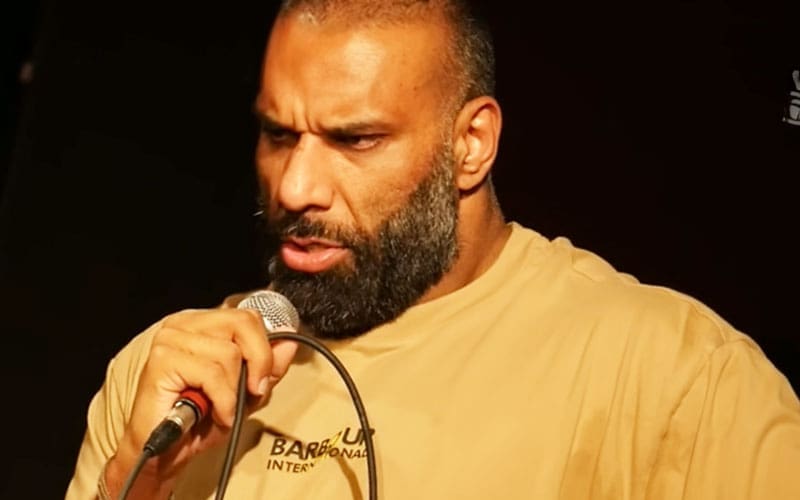
Jinder Mahal is clearing up one of the biggest misconceptions surrounding WWE releases, and he says the infamous “90-day non-compete clause” isn’t actually a non-compete at all.
The former WWE Champion weighed in after news broke Thursday afternoon that Ilja Dragunov is leaving WWE. That sparked another round of discussion about when released wrestlers can appear elsewhere, and Mahal stepped in to explain exactly how the process works from the talent side.
According to Mahal, WWE isn’t releasing someone and then preventing them from working for 90 days. Instead, the company is giving talent 90 days’ notice that their contract is being terminated, meaning the wrestler remains under WWE contract and continues getting paid until that period ends.
“There is no such thing as a 90-day non-compete clause, even when you get released. WWE is giving you 90 days’ notice that your contract is being terminated. You remain under contract and continue getting paid during that period. Once the 90 days are up, you’re free to work anywhere. And obviously, if your contract simply expires, you’re free to work anywhere immediately.”
Mahal also pushed back against fans who get angry about wrestlers having to wait those 90 days before appearing for another promotion. From his perspective, getting paid during that window isn’t the part talent is worried about.
“Fans are way more outraged than any wrestler over the paid 90 days part. We’re worried what will come after it.”
One fan argued that WWE was still essentially backing out of the remaining years on a wrestler’s contract by using the termination provision. Mahal wasn’t buying that argument either, pointing out that the language is already written into the deals talent agrees to sign.
“It’s not reneging if it’s clearly explained in the contract we all willingly sign.”
Mahal then got into how the money works during those final 90 days. He explained that wrestlers continue receiving their weekly downside guarantee, though those payments count toward the guaranteed amount already built into their contract. And Mahal certainly didn’t sound bitter about his own experience with the system. When one fan pointed out that three months of pay gives a wrestler time to figure out what comes next, Mahal made it clear he had no problem taking the money while planning his future.
“Still pay you your weekly downside guarantee, but it will erode your bucket amount. End of 90, if there is a surplus, they’ll cut the check.”
“I didn’t mind making 6 figures in 90 days while I decide my next moves.”
Mahal’s explanation gives fans a much clearer picture of what actually happens when WWE cuts talent before a contract naturally expires. The wrestler remains employed and paid during the notice period, while someone whose deal simply reaches its expiration date can immediately go wherever they want next.
Do you think WWE’s 90-day termination system is fair to wrestlers, or should talent be allowed to leave immediately once WWE decides to move on from them? Let us know what you think and leave your feedback in the comments.
